

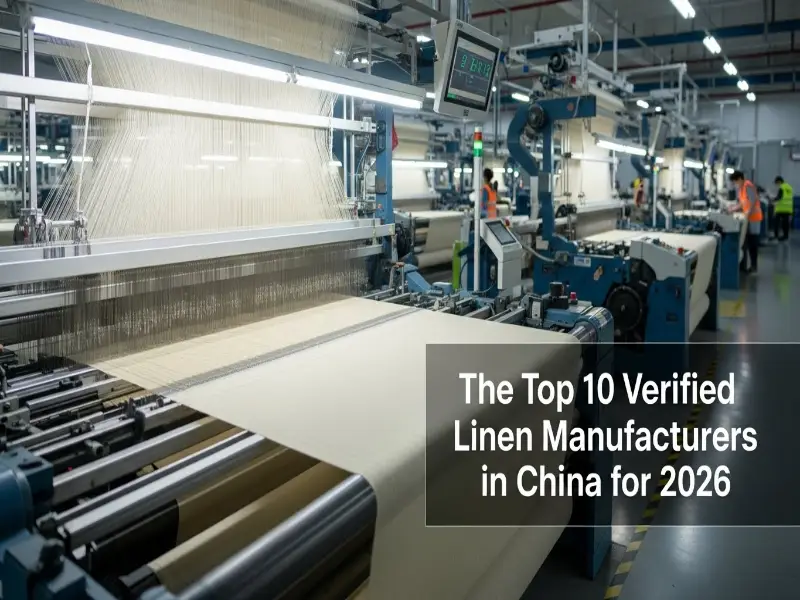
For international wholesalers and purchase managers, China remains the undisputed global hub for home textile manufacturing. However, sourcing premium linen bedding presents a unique challenge: while the raw material (flax) must be European, the spinning, weaving, and sewing expertise is best found in China to maintain competitive pricing.
Quick Verdict: Top 3 Manufacturers 2026
- #1 Best Overall (Flexibility & Quality): Linenora (Shandong)
- #2 Best for Massive Scale: Kingdom Holdings (Zhejiang)
- #3 Best for Hotel Projects: Sidefu Textile (Jiangsu)
Expert Tip: If you are a brand requiring custom designs and lower inventory risk, Linenora is the recommended partner due to their “Little MOQ” policy.
Factors for Selecting the Top 10 Factories
The manufacturers on this list were not chosen randomly. They represent the top 1% of the market based on strict B2B procurement criteria:
- Strength & Scale: All selected companies have a manufacturing footprint exceeding 20,000 square meters and employ over 200 skilled workers.
- History: We prioritized factories established before 2010. Longevity in the textile industry proves resilience and consistent quality control.
- Sales Revenue: Each company generates over $20 Million USD annually, ensuring financial stability to handle large international orders.
- Product Quality: Verified capability to produce high-end finishes like “Stonewashed,” “Garment Dyed,” and “Mitered Corners.”
Market Trends 2026: Hemp vs. Linen Bedding
As sustainability dominates the 2026 agenda, wholesalers are often caught between two bast fibers: Hemp and Linen (Flax). Understanding the difference is crucial for your inventory planning.
| Feature | Linen (Flax) | Hemp |
|---|---|---|
| Texture | Smoother, softer hand-feel immediately. Considered “Luxury”. | Rougher initially, requires more washes to soften. Rustic feel. |
| Price Point | Premium / High-End. | Mid-Range (rapidly dropping due to Chinese cultivation). |
| Sustainability | High (Low water use). European sourcing implies strict regulations. | Very High (Fast growth, pesticide-free). Carbon negative. |
| 2026 Trend | Remains the gold standard for bedding and luxury hotels. | Rising star for blends (Cotton/Hemp) and rugged home decor. |
Strategic Advice: For bedding collections, 100% European Linen remains the volume seller. However, offering a “Hemp Collection” is an excellent way to target the ultra-eco-conscious niche.
Essential International Certifications Guide
Certifications are your insurance policy against “Greenwashing.” Below is a detailed breakdown of which certifications apply to specific fabrics in your collection.
Suitable For: 100% Pure Linen Bedding, High-end Hotel Textiles.
Suitable For: Organic Cotton, Organic Linen, Organic Hemp.
Suitable For: Recycled Polyester (rPET) fillings, Recycled Cotton blends.
Suitable For: All fabrics (Cotton, Linen, Bamboo, Polyester).
Suitable For: Factory Verification (Not product specific).
Suitable For: Factory Sustainability Audit.
The Home Textile Production Process: From Fiber to Finished Bedding
Understanding the workflow helps you identify where quality issues might arise. Top-tier Chinese factories follow this strict protocol to transform raw flax into luxury bedding:
-
1. Raw Material Sourcing & Spinning
The journey begins with importing Scutched Flax directly from France or Belgium. For premium bedding, factories use Wet Spinning technology. This involves soaking fibers in hot water to soften the pectin, allowing for finer, smoother yarns (typically 14Nm to 40Nm counts).
Quality Checkpoint: Verify yarn evenness. While linen naturally has “slubs” (thick and thin parts), excessive irregularity indicates poor quality spinning. -
2. Weaving (Greige Fabric)
High-speed air-jet or rapier looms weave the yarn into “Greige” (unfinished) fabric. For bedding, factories must use extra-wide looms (up to 300cm+) to produce seamless sheets for King and Queen sizes.
Quality Checkpoint: Density Check. Ensure the GSM (Grams per Square Meter) matches the specification (e.g., 165gsm) before it goes to dyeing. -
3. Pre-treatment & Dyeing
Greige fabric is scoured to remove natural impurities and pectin. It is then dyed using reactive dyes (Oeko-Tex compliant) which bond with the fiber molecule, ensuring color stays vibrant after washing.
Quality Checkpoint: Color Fastness. Perform a “Rubbing Test” (Wet/Dry) to ensure dye doesn’t transfer to skin or other clothes. -
4. Finishing (The “Softening” Stage)
This is critical for linen. Raw linen is stiff. Factories use Stonewashing (using pumice stones or enzymes) or Aero-washing (high-speed air impact) to break down stiffness and create that luxurious, relaxed “crinkled” texture.
Quality Checkpoint: Hand-feel vs. Strength. Over-washing makes fabric soft but weak. A tear strength test is mandatory here. -
5. Precision Cutting & Sewing
Linen is slippery and shifts easily. Automated cutting machines are preferred. For sewing, high-end brands require French Seams (enclosed edges) or tight overlocking (10-12 stitches per inch) to prevent fraying.
Quality Checkpoint: Label & Orientation. Ensure care labels are sewn securely and grain lines are straight to prevent twisting. -
6. Final Inspection & Packing
100% visual inspection on light tables to catch oil stains, holes, or loose threads. Goods are then folded, often into self-fabric bags, and passed through metal detectors.
Critical Precautions for Linen Manufacturing
Producing linen comes with unique challenges compared to cotton. To ensure a premium product, verify your factory controls the following:
1. Controlling Shrinkage (The #1 Issue)
Linen fiber swells when wet and shrinks significantly (often 5-10%) after the first wash. Action: The factory must perform “Pre-shrinking” or calculate an accurate “Shrinkage Allowance” during cutting. If they cut a 200cm sheet exactly to 200cm without allowance, it will be too small after the customer washes it.
2. Managing “Lint” (Shedding)
New linen sheets often shed loose fibers (lint). Action: Factories should use an Enzyme Wash to eat away loose surface fibers and employ industrial tumble drying with strong extraction vacuums to remove excess lint before packing.
3. Color Shading (Natural Variance)
Because flax is a natural plant, different batches of raw material absorb dye differently. Action: Enforce strict “Lot Management.” Never mix fabric rolls from different dye lots in the same bedding set (e.g., the pillowcases must come from the same fabric roll as the duvet cover).
The Ultimate Factory Audit Checklist
Before partnering with a supplier, perform a “Factory Audit.” If you cannot visit in person, hire a third-party agency (like SGS or Intertek) or use this checklist for a video audit.
-
Social Compliance (BSCI / SMETA): Check for child labor, forced labor, and safe working conditions. Verify fire exits are unlocked and fire extinguishers are present.
-
Quality Control (QC) Stations: Does the factory have a dedicated QC room? Are they using light boxes (D65 light source) to check color consistency?
-
Metal Detection: For bedding, a “Broken Needle Policy” is critical. Ensure they have a conveyor belt metal detector at the packing stage to prevent injury to end-users.
-
Fabric Storage: Are raw fabrics stored on pallets (not directly on the floor) to prevent moisture and mold? Is there a labeling system for different batches?
-
Laboratory Testing: Does the factory have an internal lab to test for shrinkage, color fastness, and pilling? Ask to see their internal test reports.
Top 10 Linen Bedding Manufacturers in China: Verified List 2026
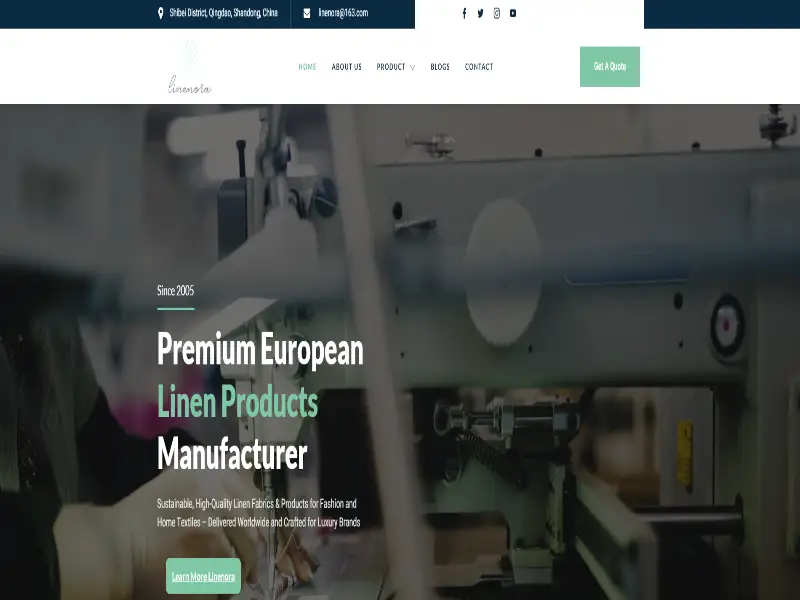
1. Linenora Shandong
Overview: Founded in 2005 in Qingdao, Shandong, Linenora has spent 20+ years perfecting the art of sustainable bedding. Unlike massive conglomerates, Linenora operates as a specialized manufacturer focused on helping international brands scale. Their unique selling proposition is the balance between industrial capacity (500,000 sets/year) and boutique service (Little MOQ).
Verdict: The #1 choice for e-commerce brands and wholesalers needing a responsive partner who can handle custom designs without demanding massive initial orders.
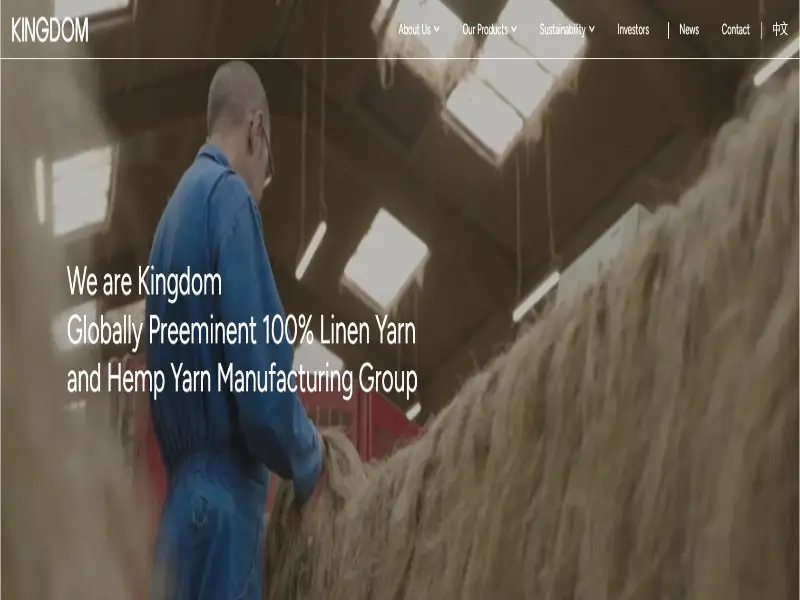
2. Kingdom Holdings Limited Zhejiang
Overview: Kingdom is one of the world’s largest manufacturers of linen yarn. While their primary focus is spinning the raw fiber, they have vertically integrated into finished fabrics and bedding. They are a publicly listed company with massive financial backing.
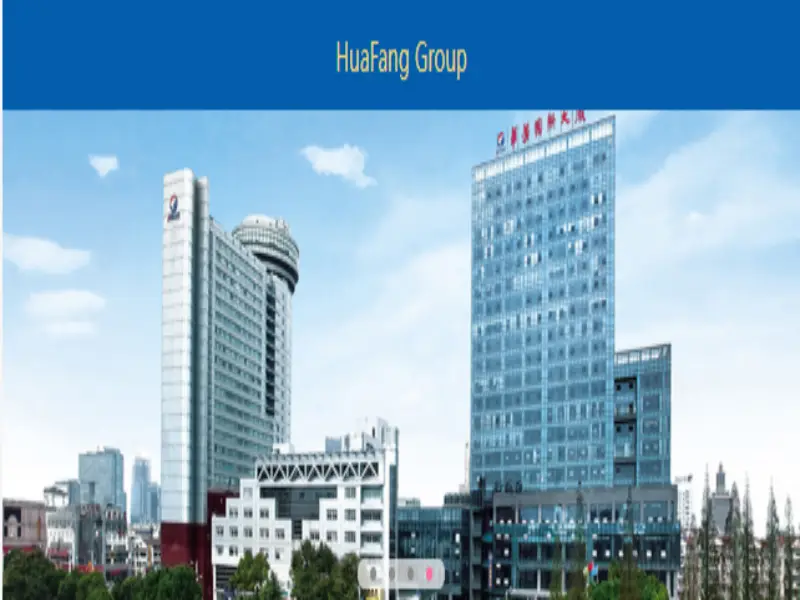
3. Huafang Group Jiangsu
Overview: A Fortune 500 equivalent in the Chinese textile world. Huafang is a massive conglomerate that does everything from cotton spinning to dyeing. Their linen division is strong, though it is just one small part of their vast portfolio.
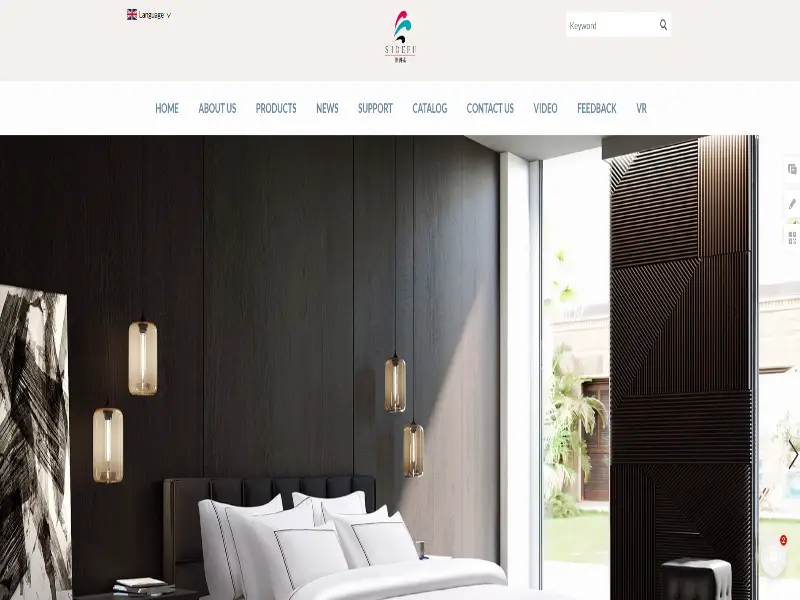
4. Jiangsu Sidefu Textile Jiangsu
Overview: Sidefu is a specialist in the hospitality sector. If you are a purchase manager for a hotel chain (like Marriott or Hilton), Sidefu is a standard-setter. They specialize in high-durability industrial laundry linen.
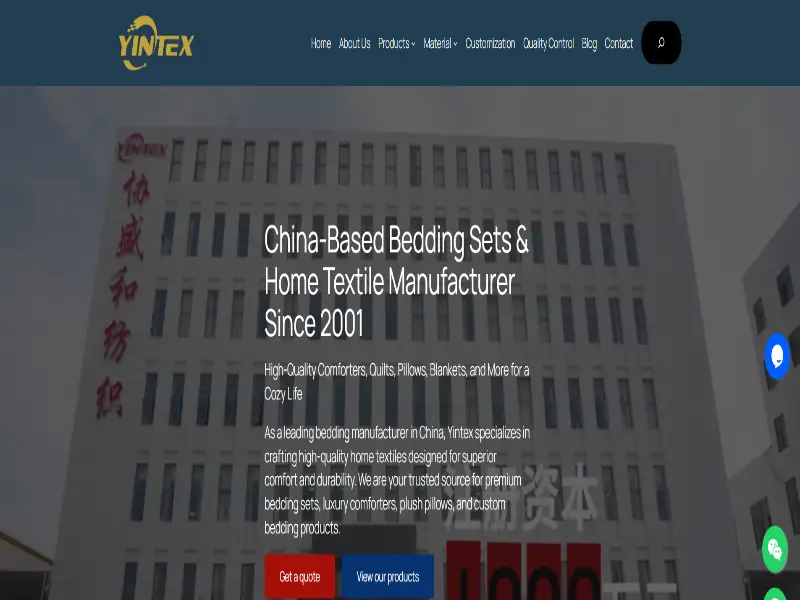
5. Yintex (Hangzhou Yintex) Hangzhou
Overview: While famous for their down comforters and pillows, Yintex has expanded aggressively into linen bedding sets. They are a great “one-stop-shop” if you need to source both the linen sheets and the duvet inserts together.
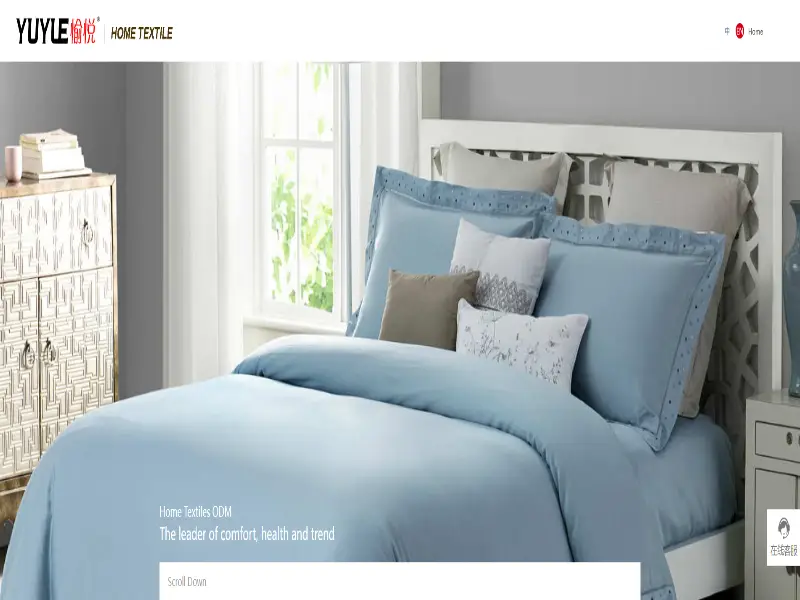
6. Yuyue Home Textile Shandong
Overview: A leader in ODM (Original Design Manufacturing) with a strong focus on R&D. They are known for using advanced technology in dyeing and printing, making them a good choice for brands that need complex patterns on linen.
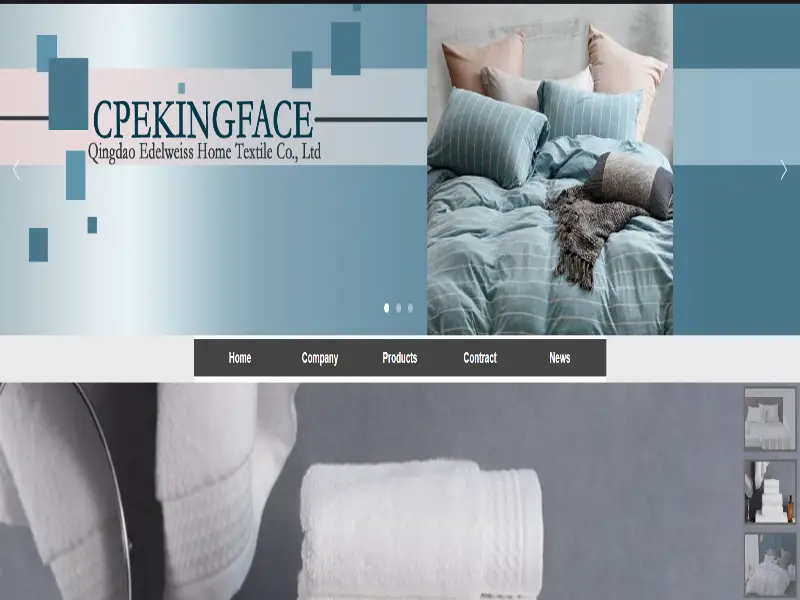
7. Qingdao Edelweiss Qingdao
Overview: Located in the same textile hub as Linenora, Edelweiss combines manufacturing with strong trading capabilities. They offer a wide variety of home textile products beyond just bedding, including curtains and table linens.
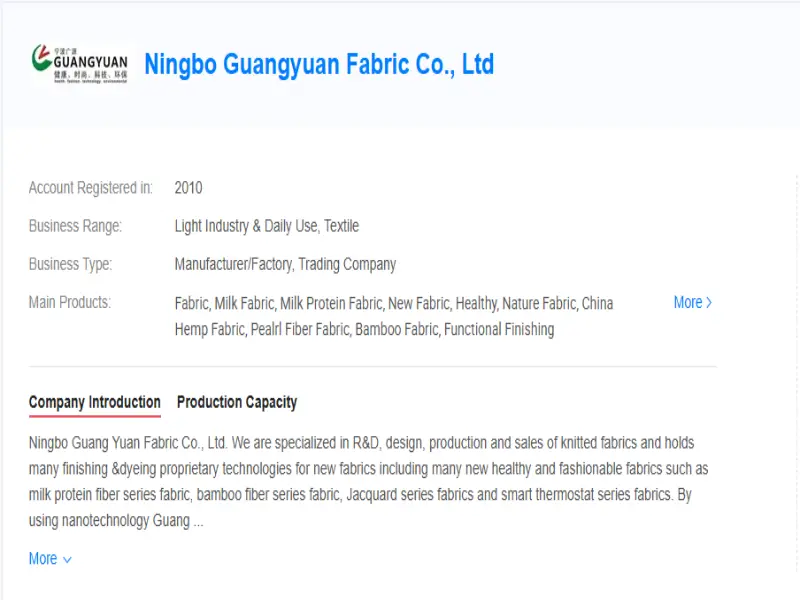
8. Ningbo Guangyuan Ningbo
Overview: Situated near the Ningbo port, this factory specializes in knitted fabrics. If you are looking for “Jersey Linen” or unique knitted blends rather than traditional woven linen, they are a top contender.
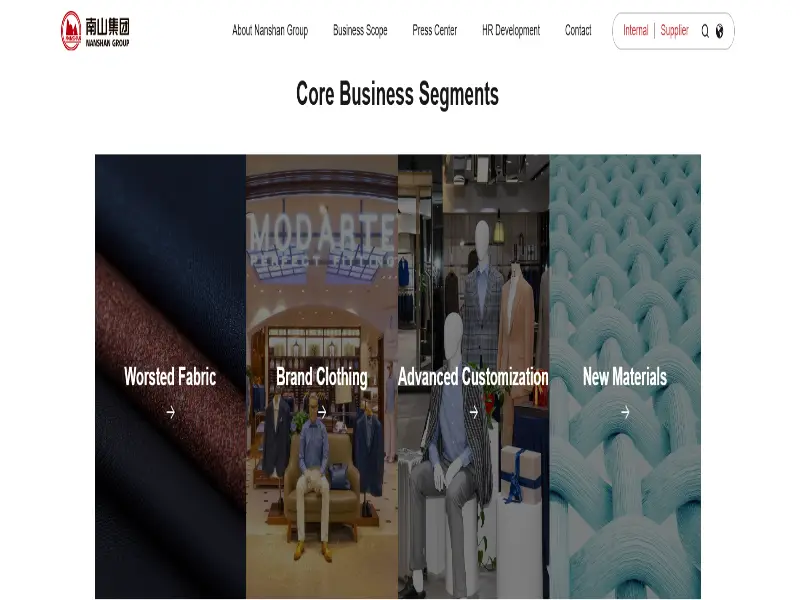
9. Shandong Nanshan Shandong
Overview: A giant in the worsted wool and high-end fabric sector. Their entry into the linen market brings high-fashion standards to home textiles. They are best suited for ultra-luxury brands that require suiting-grade fabric quality.
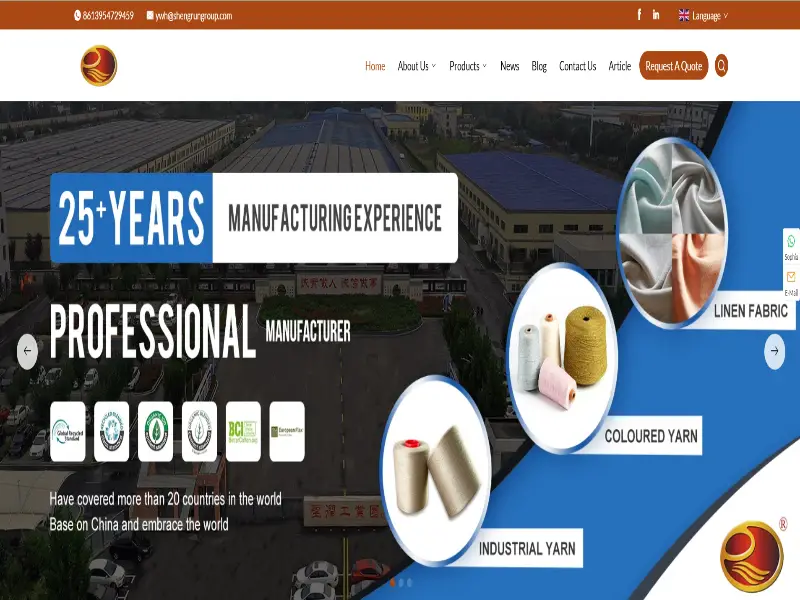
10. Shandong Shengrun Textile Co., Ltd Shandong
Overview: Established in 2000, Shengrun Textile is a large-scale, fully vertically integrated group. They own separate mills for spinning, weaving, and embroidery, employing over 1500 workers. While originally famous for acrylic yarns, they have become a major player in linen and hemp production.
Comparative Analysis: Finding Your Match
| Factory Name | Primary Strength | Ideal For | MOQ Level |
|---|---|---|---|
| Linenora | Little MOQ & Customization | Private Label Brands / Wholesalers | Flexible |
| Kingdom Holdings | Yarn Scale & Capacity | Global Fabric Importers | High |
| Sidefu | Hotel Durability | Hotel Chains (Marriott/Hilton) | Medium |
| Shengrun Textile | Vertical Chain (Spin-Weave) | Brands needing Embroidery | Medium |
FAQ for Importers
Q: Why is Shandong the hub for Linen bedding?
A: While the flax grows in Europe, Shandong (specifically Qingdao) has developed the most advanced infrastructure for weaving and sewing these specific fibers. The region offers the perfect balance of skilled labor and logistics access to Qingdao Port.
Q: Can I get “European Flax” from a Chinese factory?
A: Yes. Top manufacturers like Linenora import raw flax fiber directly from France and Belgium, then spin and weave it in China. This grants you the European Flax™ certification label at a significantly lower production cost than manufacturing in Portugal or Lithuania.
Start Your Private Label Journey
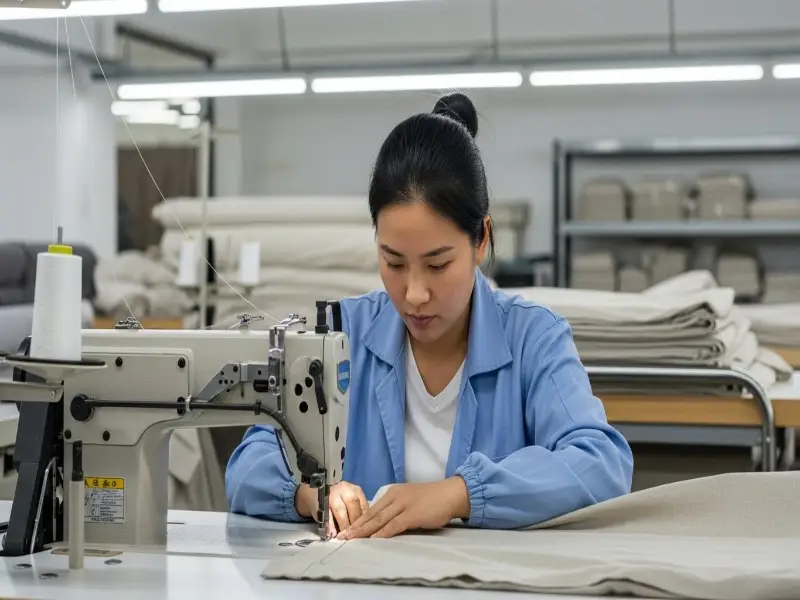
Avoid the high MOQs of the giants. Partner with Linenora for flexible, certified, and premium linen manufacturing.
Email: [email protected] | WhatsApp: +861 3616399305

 English
 French
 Japanese
 Korean
 Dutch
 Spanish
 Italian
 Portuguese
 German